Topsoil & Compost Delivery
From fertile topsoil to mushroom compost, we’ve got you covered. Our soil types are available in bulk and we deliver in and around the Barrington area.
Soil Products
Ask about wholesale pricing.
What is lawn aeration?
Lawn aeration is the process of opening compacted soil. This helps air, water, and nutrients reach the root zone more effectively.
Why does my lawn need aeration?
Aeration helps relieve soil compaction. When soil is too dense, grass roots struggle to grow and absorb what they need.
What are the benefits of lawn aeration?
Aeration can improve water absorption, nutrient uptake, root growth, and overall lawn health. It can also help reduce thatch buildup and prepare the lawn for better results.
What is overseeding?
Overseeding is the process of spreading new grass seed into an existing lawn. It helps fill in thin areas and improve overall turf density.
Why is overseeding important?
Overseeding helps thicken weak or patchy lawns. It can also improve lawn color, texture, and long-term durability.
Should aeration and overseeding be done together?
Yes, they often work best together. Aeration creates openings in the soil that help seed settle in and establish more effectively.
How does aeration help overseeding?
Aeration improves seed-to-soil contact. That gives new grass a better chance to germinate and grow.
What results can aeration and overseeding help achieve?
These services can help create a thicker, healthier lawn. They are often used to improve coverage, strengthen roots, and refresh stressed turf.
Can aeration help with compacted soil?
Yes, that is one of its main benefits. Aeration is especially useful for lawns affected by foot traffic and dense soil.
Can aeration improve water absorption?
Yes, it can. Aeration helps water move into the soil more easily instead of running off the surface.
Can overseeding help with thin or patchy grass?
Yes, it can. Overseeding is designed to help fill bare or weak areas with new grass growth.
Can overseeding help reduce weeds?
Yes, over time it can. A thicker lawn leaves less open space for weeds to move in.
Can overseeding help repair lawn damage?
Yes, it can help refresh worn areas. It is often useful for lawns affected by traffic, stress, drought, or general thinning.
What kind of grass seed does Down To Earth use?
The page states that Down To Earth uses a seed mix of 50% Kentucky blue, 45% perennial rye, and 5% creeping red fescue.
Can I request an estimate for lawn aeration and overseeding?
Yes, free estimates are available. You can contact Down To Earth Landscaping to request pricing or service details.
What does Down To Earth Landscaping do?
Down To Earth Landscaping provides landscaping services and landscape materials. The company offers lawn maintenance, cleanup, trimming, fertilizing, grub treatment, aeration, mulch, soil, aggregates, firewood, nursery products, yard waste disposal, snow removal, delivery, and installation.
What areas do you serve?
Down To Earth Landscaping serves Barrington and surrounding communities. Service availability may vary by product, property type, and season.
Do you offer delivery and installation?
Yes, both are available. Down To Earth can deliver materials and also provide installation for select products and landscaping services.
What types of mulch do you offer?
Down To Earth offers several mulch options. These include triple ground hardwood mulch, classic mulch, eco mulch, color enhanced mulch, playground mulch, southern hardwood bark mulch, and wood chips.
Do you make your own mulch?
Yes, Down To Earth manufactures mulch on-site. This helps support product quality, availability, and competitive pricing.
Can you deliver bulk mulch?
Yes, bulk mulch delivery is available. Customers can order mulch for homes, commercial properties, and larger landscape projects.
What soil products do you offer?
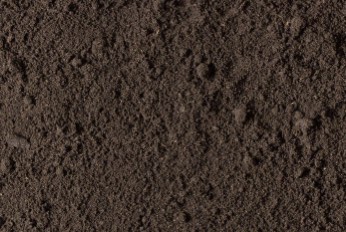
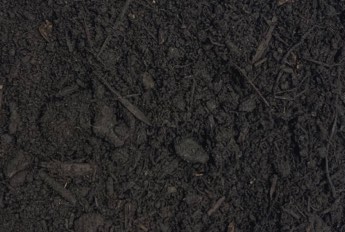
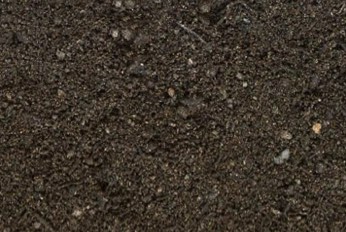
Down To Earth offers topsoil, organic compost, and garden mix. These are available in bulk for gardening, grading, planting, and lawn projects.
What is garden mix?
Garden mix is a blended planting soil. It is typically suited for garden beds and planting areas where improved growing conditions are needed.
Can you deliver soil in bulk?
Yes, bulk soil delivery is available. This makes it easier to handle larger residential and commercial projects.
What types of stone, sand, and gravel do you carry?
Down To Earth carries a wide range of aggregates. Options include coarse sand, mason sand, pea gravel, limestone, river rock, granite cobbles, and other bulk materials.
Are aggregates sold in bulk?
Yes, aggregates are sold in bulk. This is ideal for drainage work, base material, decorative stone, and other outdoor projects.
Can you help me choose the right aggregate?
Yes, they can help. The right material depends on the type of project, appearance, drainage needs, and load requirements.
Do you sell firewood?
Yes, firewood is available. Customers can purchase firewood for pickup or delivery.
What types of firewood do you offer?
Down To Earth offers kiln dried hardwood mix, kiln dried oak, seasoned hardwood mixed, and firewood bundles. Product availability may vary.
What is a face cord of firewood?
A face cord is a common firewood measurement. Down To Earth offers different firewood quantity options, including full, half, and quarter face cord amounts.
Do you have a nursery?
Yes, Down To Earth has a nursery. It offers plants, flowers, shrubs, and trees for residential and commercial landscapes.
Do you sell trees and shrubs?
Yes, trees and shrubs are available. The company also offers delivery and installation for nursery materials.
Should I call ahead for nursery inventory?
Yes, that is recommended. Inventory can change, especially for trees and seasonal plant material.
Do you sell treated bulk salt?
Yes, treated bulk salt is available. This is useful for snow and ice management during the winter season.
Is bulk salt available for pickup?
Yes, pickup is available. Customers should call ahead for current availability, hours, and pickup requirements.
Do I need to register before picking up bulk salt?
In some cases, yes. Customers may need to be registered and keep a card on file before pickup.
What lawn maintenance services do you offer?
Down To Earth offers recurring lawn maintenance. Services may include mowing, weed control, edging, trimming, and general lawn care.
How often is lawn maintenance performed?
Lawn maintenance is generally performed weekly. This helps keep the property clean, consistent, and well maintained through the growing season.
Do you offer lawn care for homes and businesses?
Yes, both are served. Down To Earth works with residential and commercial properties.
What is included in seasonal cleanup service?
Cleanup service helps refresh the landscape. It may include mowing, raking, trimming, bed cleanup, and other seasonal work.
Do you offer both spring and fall cleanup?
Yes, both are available. Seasonal cleanup helps prepare the property for the next stage of the year.
Can cleanup service include gutter cleaning?
In some cases, yes. Reachable rain gutters may be cleaned as part of cleanup service.
Do you offer grub prevention?
Yes, grub prevention is available. Preventive service is designed to help stop grub damage before it starts.
Do you offer grub treatment if I already have grubs?
Yes, treatment is available. This service is intended to address active grub problems in the lawn.
Does the lawn need water after grub service?
Yes, watering is important. The lawn should receive adequate irrigation after application.
Do you trim shrubs and small trees?
Yes, trimming is available. This helps maintain shape, appearance, and overall landscape condition.
Is trimming part of regular landscape maintenance?
It can be. Trimming may be included as part of a seasonal plan or scheduled as a separate service.
Do you remove trimming debris?
Yes, cleanup is available. Yard waste and debris can typically be handled as part of the service.
Do you offer fertilizing and weed control?
Yes, both are available. These services are designed to support healthier lawns and help manage unwanted growth.
Is fertilizing done more than once per year?
Yes, typically it is. Lawn treatment programs are often spaced across the growing season.
Can fertilizing and weed control be part of a package?
Yes, it can. These services may be included in broader lawn maintenance or seasonal service plans.
Do you offer lawn aeration?
Yes, aeration is available. Aeration helps relieve compacted soil and improve air, water, and nutrient movement.
Do you offer overseeding too?
Yes, overseeding is available. It is often paired with aeration to help improve lawn thickness and fill in thin areas.
What are the benefits of aeration and overseeding?
These services help strengthen the lawn. They can improve root growth, seed establishment, and overall turf quality.
Do you accept yard waste?
Yes, yard waste disposal is available. Down To Earth accepts certain landscape materials for disposal.
What materials do you accept for yard waste disposal?
Accepted materials include brush, branches, logs, wood chips, and clean dirt. It is best to call ahead for current acceptance details.
Is yard waste disposal simple at your location?
Yes, it is designed to be simple. The site notes that there are no scales or time-consuming procedures.
Do you offer snow removal?
Yes, snow removal is available. Service is offered for both residential and commercial properties.
What types of properties do you plow?
Down To Earth plows homes and commercial properties. Service availability depends on location, weather, and scheduling.
What areas do you cover for snow removal?
Snow removal service includes parts of Cook and Kane counties. Customers should call to confirm current coverage.
Can I order materials without hiring a full landscaping service?
Yes, you can. Customers can order bulk materials only or pair them with delivery and installation.
Do you work with both homeowners and commercial clients?
Yes, both are welcome. Down To Earth serves residential and commercial customers across multiple services.
Do you offer free estimates?
Yes, free estimates are available. Customers can call or submit a request online to get started.
Where are you located?
Down To Earth Landscaping is located in Barrington, Illinois. The address is 15N365 Old Sutton Road, Barrington, IL 60010.
How can I contact Down To Earth Landscaping?
You can call or email the company. The main phone number is 847-426-1150 and the email is info@dtelandscape.org.
What are your business hours?
Hours vary by season. It is best to call ahead or check the contact page for the most current schedule.
A Guide to Choosing the Right Topsoil for Your Garden
Choosing the right topsoil for your garden depends on your specific planting needs and soil conditions. Not all topsoil is the same—some are nutrient-rich and ideal for planting, while others may require amendments for optimal performance. Understanding the differences between topsoil types and how they interact with your garden can help ensure healthy plant growth and long-term soil fertility.
7 Key Factors When Selecting Your Topsoil
Soil Composition and Texture
- High-quality topsoil should have a balanced mix of sand, silt, and clay, often referred to as loam.
- Loamy topsoil provides good drainage while retaining essential moisture and nutrients.
- Avoid overly sandy topsoil, which drains too quickly, or heavy clay-based topsoil, which retains too much water and can become compacted.
Nutrient Content and Organic Matter
- Look for topsoil rich in organic material, as this supports plant growth by improving soil structure and moisture retention.
- If the topsoil is low in nutrients, consider blending it with organic compost or mushroom compost to enhance fertility.
Drainage and Moisture Retention
- Good topsoil should absorb water without becoming soggy or overly compacted.
- For gardens with poor drainage, incorporating organic compost can improve water retention and aeration.
pH Balance and Soil Health
- Most plants thrive in a neutral to slightly acidic pH range (6.0 to 7.0).
- If your existing soil is too acidic or alkaline, mixing it with garden mix (50/50 topsoil and compost) can help balance the pH and enhance fertility.
Soil Quality and Purity
- Choose topsoil that is free from contaminants, large debris, or excessive weed seeds.
- Screened topsoil is a great option, as it has been filtered to remove rocks and other unwanted materials.
Matching Topsoil to Your Project
- For Raised Garden Beds: A blend like garden mix (50/50 topsoil and compost) provides the best of both worlds—nutrient-rich soil with excellent drainage.
- For Lawns and Turf Installation: Choose high-quality screened topsoil to ensure an even, level surface for seeding or sod installation.
- For Flower Beds and Vegetables: Adding organic compost or mushroom compost to your topsoil will improve soil fertility and encourage strong plant growth.
- For Filling Low Spots and Landscape Grading: Use pure topsoil to build up areas, then amend with compost if needed.
By selecting the right topsoil based on your specific gardening or landscaping needs, you can create a thriving, nutrient-rich environment that promotes healthy plant growth. If you’re unsure which type of soil is best for your project, DT Landscaping offers topsoil, organic compost, mushroom compost, and garden mix to suit a variety of applications.
What is soil or topsoil?
Topsoil is simply the topmost layer of soil found naturally on the earth’s surface, usually extending about 5 to 10 inches deep. This is the soil you’ll commonly find when you first dig into the ground. Because topsoil contains high amounts of nutrients and organic matter, it’s highly valued for growing plants.
Composition of Topsoil
- Organic Matter: Decayed plants, animal materials, and compost provide nutrients for plants.
- Minerals: Essential nutrients such as nitrogen, phosphorus, potassium, and calcium.
- Microorganisms: Beneficial bacteria and fungi that promote healthy plant growth.
- Air and Water: Spaces within the soil provide oxygen and moisture to roots.
The ideal topsoil, known as loam, contains a balanced mix of sand, silt, and clay.
How Topsoil Forms
Topsoil naturally forms over hundreds of years as plants, leaves, and other organic materials decompose and blend with mineral particles. This slow process creates nutrient-rich soil that’s excellent for gardening and landscaping.
Why is Topsoil Important?
- Supports Plant Growth: Provides essential nutrients and minerals for healthy plants.
- Improves Soil Structure: Allows air, water, and nutrients to flow freely, critical for robust root systems.
- Enhances Soil Drainage: Properly balanced topsoil prevents waterlogging, which protects plant roots from damage.
Differences Between Topsoil and Other Soils
- Topsoil vs. Subsoil: Topsoil is richer in nutrients and organic matter than subsoil, making it better for plant growth.
- Garden Soil vs. Topsoil: Garden soil is usually enriched topsoil mixed with compost or other amendments to boost fertility specifically for gardening.
How to Recognize Quality Topsoil
- Texture and Color: Quality topsoil is typically dark brown or black, indicating rich organic matter.
- Organic Content: Should have noticeable organic material but minimal debris.
- Cleanliness: It should be free of weeds, debris, rocks, and contaminants such as plastic or glass.
Common Uses for Topsoil
- Gardens and Flower Beds: Provides essential nutrients and structure for optimal plant growth.
- Lawns and Turf Repair: Quickly repairs bare spots by providing an ideal growing environment for grass seed.
- Landscape Leveling: Topsoil is frequently used to level uneven terrain and create smooth, attractive landscapes.