Lawn Aeration and Overseeding
Lawn aeration and overseeding are key to a healthy, vibrant lawn.
Benefits of Aeration
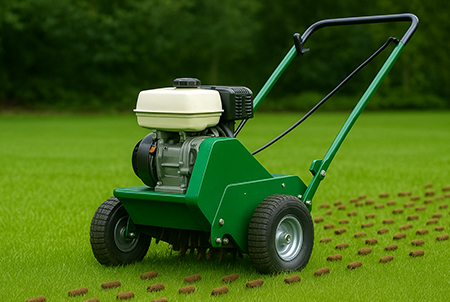
Improves Soil Compaction
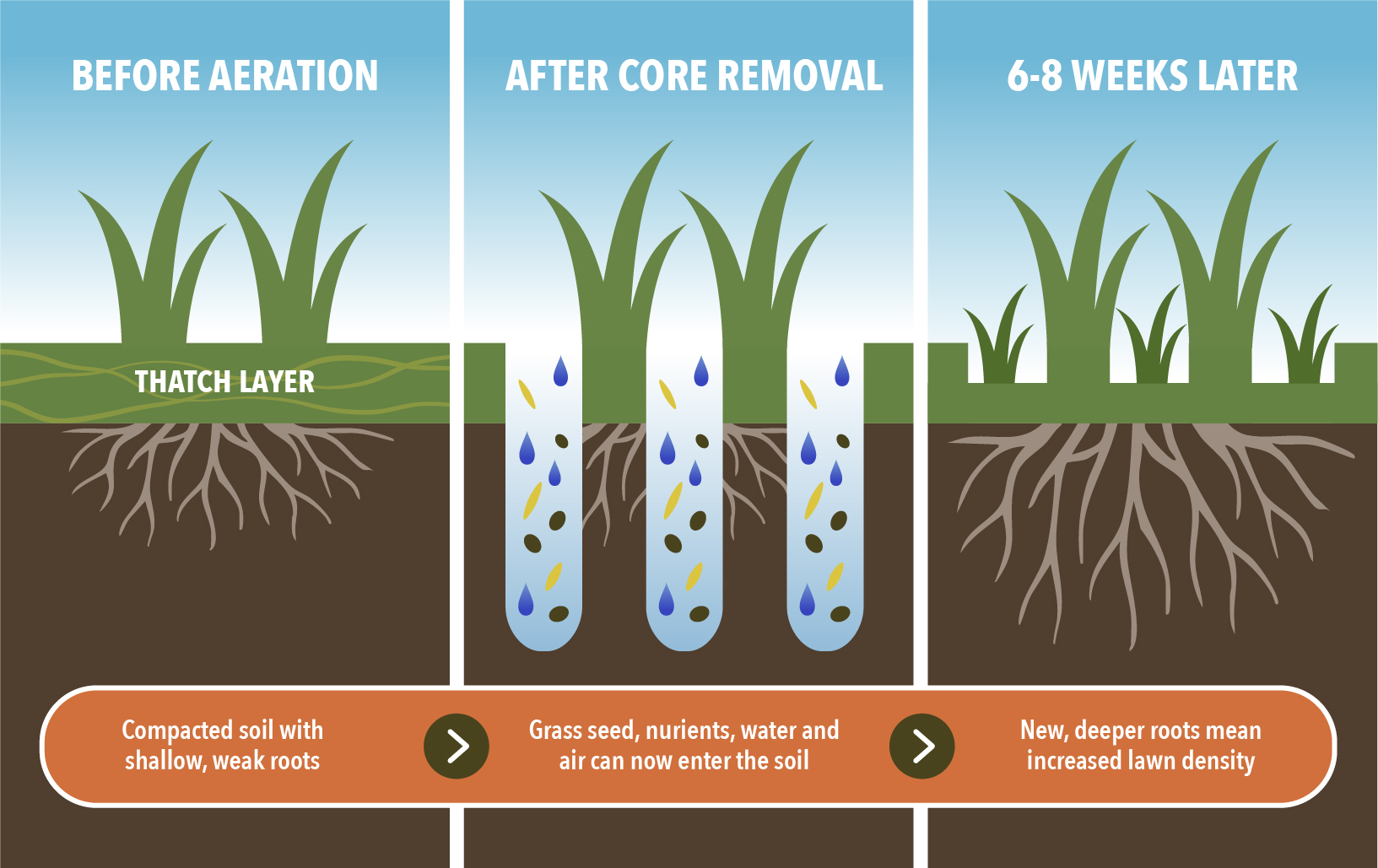
Over time, soil becomes compacted, especially in high-traffic areas. This limits the movement of air, water, and nutrients. Aeration loosens the soil, allowing roots to grow more deeply and freely.
Enhances Air Exchange
It increases the exchange of gases between the soil and atmosphere, which is vital for healthy root function and microbial activity.
Improves Water Absorption
Aerated lawns absorb water more efficiently, reducing runoff and puddling, especially in clay-heavy soils.
Boosts Nutrient Uptake
Fertilizers and other nutrients reach the roots more effectively after aeration, making lawn treatments more productive.
Encourages Thicker, Healthier Grass
With better root growth and nutrient access, grass becomes thicker and more resilient to stress, drought, and disease.
Reduces Thatch Buildup
Aeration helps break down thatch (a layer of dead grass and roots) by encouraging microbial activity, reducing the risk of pest and disease problems.
Prepares Lawn for Overseeding
Aeration creates small holes that serve as excellent seed beds, improving seed-to-soil contact and germination rates during overseeding.
Improves Lawn Resilience
Overall, an aerated lawn bounces back more quickly from heat, drought, foot traffic, and other stresses.
Benefits of Overseeding
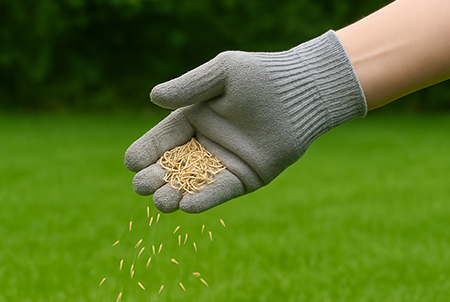
Thickens the Lawn
Overseeding fills in thin or bare patches, resulting in a denser, lusher lawn that looks healthier and more vibrant.
Improves Lawn Color and Texture
New grass varieties can enhance the color and texture of your lawn, making it softer underfoot and more visually appealing.
Increases Resistance to Disease and Pests
Adding newer, disease-resistant grass varieties helps protect the lawn from common problems, reducing the need for chemical treatments.
Reduces Weed Growth
A thick, healthy lawn leaves little room for weeds to take root, naturally crowding them out.
Enhances Drought and Heat Tolerance
Many modern grass seeds are bred for greater resistance to drought and extreme temperatures, helping your lawn stay green and healthy longer.
Repairs Damage
Overseeding is an effective way to recover from stress due to foot traffic, pet damage, drought, or pest issues.
Extends Lawn Longevity
Like any living organism, grass plants age and decline. Overseeding refreshes the lawn with young, vigorous growth that prolongs its life.
Improves Soil Coverage
Helps protect the soil from erosion and improves water retention by covering exposed areas.
A Best Practice for Your Best Lawn
Why Combine Aeration and Overseeding?
For best results, overseeding is often done after lawn aeration, which improves seed-to-soil contact and germination rates. Aeration loosens compacted soil and creates open channels that allow water, nutrients, and grass seed to penetrate deeper.
When followed by overseeding, those seeds settle directly into the aerated holes—giving them better soil contact, protection, and a stronger chance to germinate and grow. We use a grass seed mix of 50% Kentucky blue/45% perennial Rye/5% creeping red fescue.
The Result?
A thicker, healthier turf with stronger roots and fewer bare spots. A great lawn not only boosts your home’s curb appeal but also creates a relaxing outdoor retreat where memories are made. Enjoy the feeling of confidence knowing your yard stands out for all the right reasons.
Breathe New Life Into Your Lawn
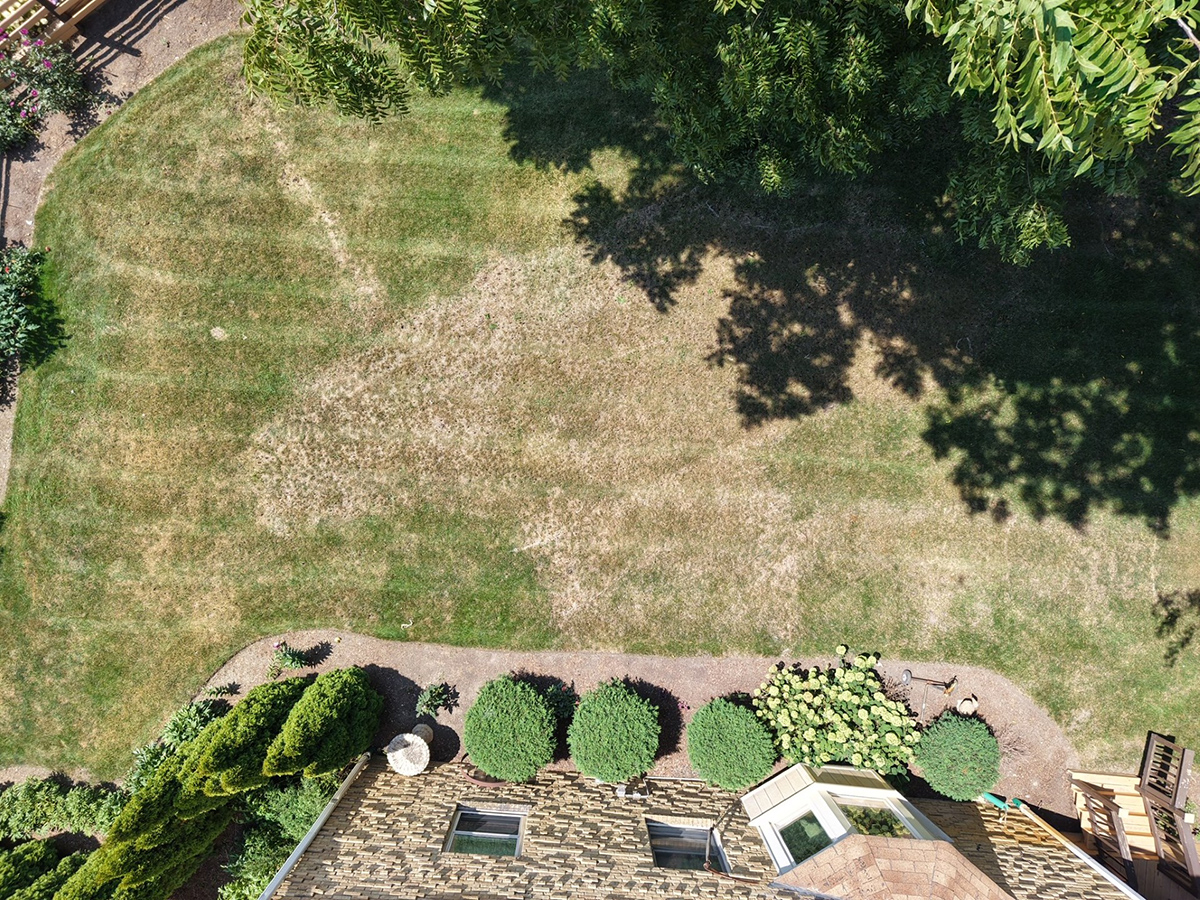
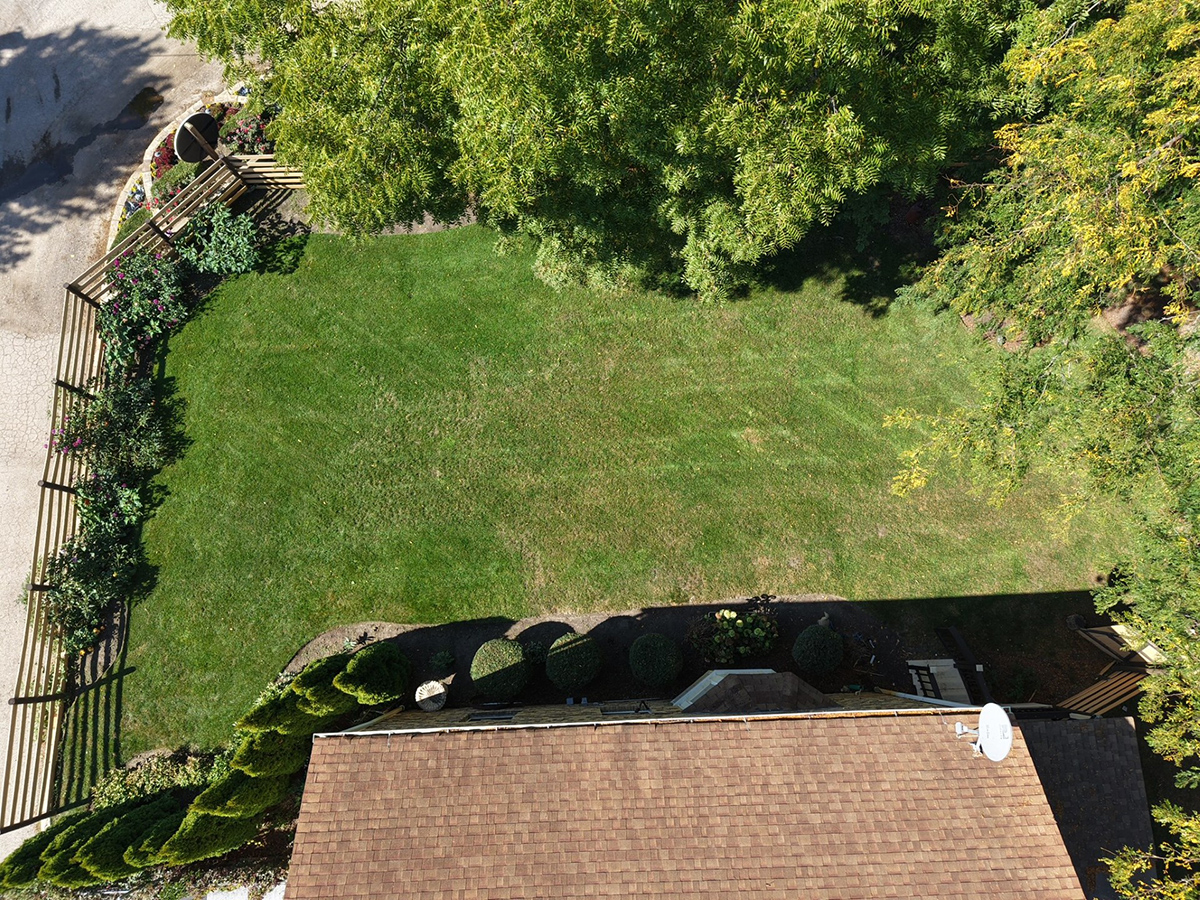
What a difference a little air can make. Our professional aeration relieves compacted soil, strengthens root growth, and brings tired grass back to life — just compare the before and after and see the transformation for yourself.